Cart
0
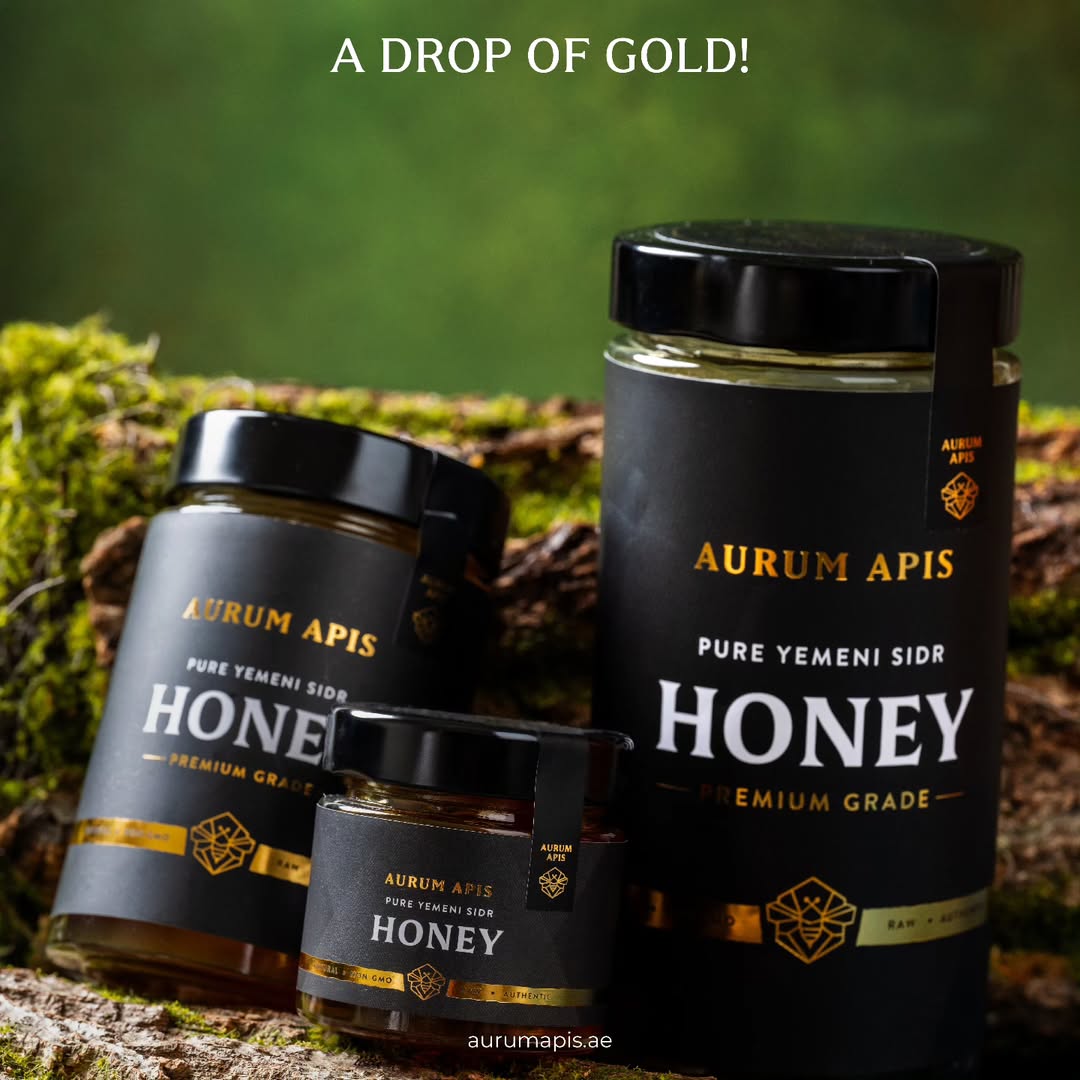
For many, honey is a one-dimensional kitchen staple—a translucent, sticky syrup housed in an industrial yellow squeeze bottle, destined to be stirred into tea or drizzled over morning oats. In the modern supermarket, honey has been stripped of its identity, treated as a generic commodity rather than a seasonal, nectar-laden harvest. To the uninitiated, it is merely sugar in liquid form, yet for the discerning epicure, this perception is a profound misunderstanding of one of nature’s most complex offerings.
A new paradigm is emerging among wellness connoisseurs, one that views honey through the lens of artistry, unadulterated purity, and geographical terroir. This is the world of Aurum Apis, where honey is a symphonic experience that captures the essence of the planet’s most untouched landscapes. Here, we move beyond the shelf-stable syrups of commerce and enter a realm where honey is defined by its provenance, crafted by nature over eons, and perfected through meticulous, small-batch sourcing.
Moving beyond the squeeze bottle requires an appreciation for how geography, rare flora, and ancient traditions transform a simple sweetener into an unctuous, sensory journey. When we look closer at these rare varieties, we discover that honey can be as nuanced as a fine vintage, offering a depth of flavor and texture that challenges our very perception of what "liquid gold" can be. It is an invitation to rediscover a kitchen staple as a heritage-rich masterpiece.
The "Gold" of the Desert: Yemeni Sidr is More Than Just Food

Among global connoisseurs, Yemeni Sidr honey is regarded with a reverence usually reserved for the rarest of luxury goods. This viscous nectar is harvested from the blossoms of the Ziziphus spina-christi tree, a species that holds profound cultural, medicinal, and ecological significance in the Middle East. Beyond its culinary appeal, Sidr honey has been used for generations as a revered heritage tonic, deeply woven into the social fabric and traditional pharmacopeia of the region. Its rarity is not a marketing construct; it is the result of fleeting blooming seasons and the logistical challenge of harvesting from the remote, rugged valleys of Yemen.
The value of Sidr honey is unequivocally reflected in its status as a premier global commodity. With price points reaching Dhs.5,635 for a 5kg vessel of the highest grade, the cost reflects the painstaking labor required to extract nectar from such inaccessible terrain. This price is a testament to the "ancient beekeeping traditions" that reject industrial speed in favor of purity. Its deep amber hue and thick, velvety consistency are hallmarks of a product that remains entirely unchanged by modern shortcuts, offering a nutrient-packed profile that serves as both a culinary triumph and a functional wellness staple.
"With deep respect for ancient beekeeping traditions from Yemen to Kyrgyzstan, Aurum Apis brings you honey crafted by nature, perfected by time, and revered across cultures as a true luxury."
The Texture of Luxury: Why White Honey isn't Liquid

For those accustomed to the runny, translucent honeys found in mass commerce, Kyrgyzstani White Honey offers a startling sensory shift. Rather than a liquid syrup, this rare variety is celebrated for its smooth, creamy, and almost solid consistency. Harvested from high-altitude meadows, it possesses a naturally pale, pearlescent hue and a subtle sweetness that feels more like a whipped confection than a traditional sweetener.
This unique texture is a result of the specific floral sources found in the pristine, high-altitude landscapes of Kyrgyzstan. For the modern palate, "liquid" honey often implies a product that has been heat-treated or ultra-filtered, whereas the creamy, opaque state of White Honey implies a living, raw product that has preserved its natural enzymes and structural integrity. This mouthfeel elevates the honey to a centerpiece of the tasting experience, inviting the epicure to appreciate the structural nuances of raw nectar. As wellness consultant Amira Al Mansouri notes:
"I’ve never tasted honey like this before. It’s truly a luxurious experience with every spoonful."
A Savory Twist: The Tangy Profile of Barberry Honey

While traditional honey is associated almost exclusively with cloying sweetness, Kyrgyzstani Barberry Honey introduces a sophisticated, tangy profile with zesty undertones. Sourced from the nectar of the Berberis vulgaris plant, this honey is a direct product of the high-altitude Tien Shan and Pamir-Alay Mountains. Its sharp, vibrant acidity allows it to transcend the breakfast table, moving into the repertoire of the modern chef as a versatile tool for complex flavor development.
The zesty profile of Barberry honey is a favorite for those looking to add a layer of sophistication to gourmet glazes, artisanal cheese pairings, or acidic dressings. It balances richness with a bright, citrus-like finish, proving that honey can be as diverse in its flavor profile as the untamed landscapes from which it is born. By capturing the pure essence of mountain flora, it offers a palate-shifting experience that redefines the boundaries of the category.
Geography as a Filter: The Purity of Untouched Landscapes
The exceptional quality of these honeys is inseparable from the environments where they are produced. Sourcing from the pristine mountains of Kyrgyzstan and the remote, isolated valleys of Yemen ensures that the honey remains 100% organic, raw, and free from the additives common in commercial varieties. In these regions, geography acts as a natural filter; the lack of industrial interference and the richness of local biodiversity allow bees to produce a "symphony of flavors" that is entirely unique to its origin.
This commitment to geographic isolation is further exemplified in the Yemeni Wildflower Honey—a vibrant multifloral nectar that offers a delicate sweetness followed by a signature tangy finish. It serves as a liquid map of the diverse, authentic flora of the region. This level of purity is the ultimate luxury in a world where food processing is the norm. As gourmet food critic Liam White observes, the purity of these untouched sources "brings a touch of elegance to everything I pair it with."
The Wellness Powerhouse: Sumar Honey’s Bold Identity

While some varieties are prized for their delicacy, Yemeni Sumar honey is defined by its bold identity and deep, robust flavor profile. Characterized by dark floral undertones and a rich, earthy finish, it is increasingly sought after as a functional luxury—a product that satisfies a sophisticated palate while supporting a daily wellness routine.
Sumar honey is exceptionally nutrient-packed, appealing to a growing segment of consumers who refuse to compromise on flavor for the sake of health. This shift in consumer behavior indicates that the modern connoisseur views luxury and wellness as two sides of the same coin. They seek out "vibrant" connections to the natural world, demanding products with heritage, substance, and unadulterated potency.
Conclusion: A Passport to Nature’s Sweetest Flavors
The philosophy governing the world’s rarest honeys is one of tradition, uncompromising quality, and sustainability. Brands like Aurum Apis serve as an independent bridge between ancient beekeeping practices and the modern table, ensuring that the craftsmanship of remote regions is preserved and shared with a global audience of epicures.
Whether it is the bold depth of Yemeni Sidr or the velvety, delicate sweetness of Kyrgyzstani White honey, each jar serves as a passport to the world’s most extraordinary landscapes. These nectars invite us to consider a more philosophical connection to our food: how does the honey we consume serve as a living link to the ancient, untouched terrains of our planet, and are we prepared to protect the landscapes that produce such fleeting perfection?
Buy Authentic Premium Honey Online
At Aurum Apis, we offer certified, raw, and unprocessed Yemeni & Kyrgyzstani honey, carefully sourced and beautifully packaged.
👉 Shop now: AURUM APIS
Experience nature’s finest sweetness—pure, rare, and unforgettable.