Cart
0
There is no single honey proven to be the “best” honey for immunity. Honey contains naturally occurring compounds such as polyphenols and flavonoids, and its antioxidant and antimicrobial activity can vary depending on floral source, geography and processing. For everyday use, choose a high-quality honey from a transparent source and treat it as a food rather than a replacement for medical treatment.
Among premium varieties, Sidr honey, mountain honey and other darker or polyphenol-rich honeys may be interesting choices for people looking for honey with naturally occurring antioxidant compounds. However, the health properties of honey vary by botanical origin, and strong clinical evidence does not show that one specific honey prevents infections or “boosts” the immune system in a medical sense.
For consumers in the UAE, the better question is not simply “Which honey is the strongest?” but “Which honey has a transparent origin, good quality, suitable processing and a flavour profile I enjoy?”
In this guide, we compare the most commonly discussed honeys for immune support, explain what research actually tells us, and show how to choose premium honey responsibly.
Why Honey is Good for Immunity
Honey contains over 200 bioactive compounds, including:
- Antioxidants (polyphenols, flavonoids)
- Natural enzymes
- Vitamins and minerals
- Antibacterial and anti-inflammatory compounds
These components help:
Fight oxidative stress
Reduce inflammation
Support immune cell function
What Experts Say: Best Types of Honey for Immunity
1. Dark Honey Varieties: Often Higher in Antioxidant Compounds
Dark honey varieties are considered the most powerful for immunity.
Why experts recommend it:
- Rich in phenolic compounds
- Strong antioxidant capacity
- Honey has antimicrobial activity, but this does not mean that eating honey treats or prevents infections.
2. Sidr Honey (Premium Medicinal Honey)
Often called “liquid gold,” Sidr honey is highly valued in traditional and modern wellness.
Benefits:
Sidr honey is valued for its distinctive botanical origin, flavour and naturally occurring bioactive compounds. Like other honeys, its composition can vary according to floral source and geography. Research on honey suggests antioxidant and antimicrobial activity, but evidence does not establish Sidr honey as a treatment for infections or as a replacement for medical care.

3. Acacia Honey (Gentle Daily Use)
If you want a milder, everyday option, acacia honey is ideal.
Why it works:
Acacia honey can have a relatively lower glycemic index than some other honey varieties, although values vary by floral source. It is mainly appreciated for its mild flavour and fluid texture rather than as a medical product.
4. Raw, Unprocessed Honey (Most Important Factor)
Regardless of type, experts agree on one key rule:
Always choose raw honey.
If you prefer minimally processed honey, look for transparent sourcing and clear information about processing. Raw honey may retain naturally occurring compounds that can be affected by processing, but "raw" does not automatically mean that a honey is medically superior or that it prevents illness.
Which Honey Is Best for the Immune System?
If you are searching for the best honey for the immune system, it is important to separate traditional use from proven medical effects.
Honey contains naturally occurring phenolic compounds, flavonoids and other bioactive substances. Research reviews have found antioxidant and antimicrobial activity in honey, but the composition and activity can differ substantially according to the nectar source, geography and processing method.
Sidr Honey
Sidr honey is one of the most sought-after premium honeys in the Middle East. It is produced primarily from the nectar of Sidr trees and is valued for its rich flavour, aroma and distinctive botanical origin.
Sidr honey can be a good choice if you want a premium honey for everyday food use and are particularly interested in traditional Middle Eastern honey varieties.
Mountain Honey
Mountain honey is generally produced from nectar collected from multiple wildflowers. Because its botanical source can be diverse, its colour, flavour and naturally occurring compounds can vary between harvests.
For consumers looking for a multifloral honey with a complex flavour profile, mountain honey is an interesting everyday option.
Dark Honey Varieties
Research suggests that darker-coloured honeys can sometimes contain higher levels of phenolic compounds and antioxidant activity, although colour alone cannot be used as a reliable measure of health quality.
This means that a darker honey may be interesting from an antioxidant perspective, but it should not automatically be described as the “strongest” or “best” honey for immunity.
Raw Honey
Raw or minimally processed honey is popular among consumers who want honey in a less processed form. However, raw does not automatically mean medically superior.
When choosing raw honey, focus on transparent origin, reputable sourcing, appropriate storage and clear product information rather than relying on the word “raw” alone.
So, Which One Should You Choose?
If your priority is premium taste and traditional Middle Eastern heritage, Sidr honey is an excellent choice.
If you prefer a complex multifloral profile, mountain honey may be more suitable.
If you are primarily interested in naturally occurring antioxidant compounds, consider darker honeys while remembering that antioxidant levels vary by floral and geographical origin.
The most important factor is not a marketing claim such as “immune booster.” It is choosing authentic, well-sourced honey that fits your dietary preferences and intended use.
Best Honey for Immune Support: Quick Comparison
| Honey Type | Main Appeal | Antioxidant Interest | Best For |
|---|---|---|---|
| Sidr Honey | Rich flavour and traditional Middle Eastern heritage | Naturally occurring phenolic compounds | Premium everyday use |
| Mountain Honey | Diverse wildflower origin | Varies by floral source | Multifloral flavour |
| Dark Honey | Often higher phenolic content | Potentially higher antioxidant activity | Consumers interested in antioxidant-rich foods |
| Raw Honey | Less processed format | Depends on floral source and processing | People who prefer minimally processed foods |
| Acacia Honey | Mild flavour and fluid texture | Varies by source | Everyday sweetening |
Important: No honey variety should be described as a proven treatment for infection or as a guaranteed immune-system booster. Honey is a food with potentially beneficial bioactive compounds, not a substitute for medical treatment.
How Honey May Support General Health
Honey is not a medicine for the immune system, but research has identified several naturally occurring compounds that may contribute to its biological activity.
1. Antioxidant Compounds
Honey contains phenolic acids, flavonoids and other compounds associated with antioxidant activity. The concentration of these compounds varies according to botanical and geographical origin.
2. Antimicrobial Activity
Honey can show antimicrobial activity through several mechanisms, including its sugar concentration, acidity and naturally occurring compounds. However, laboratory antimicrobial activity should not be interpreted as proof that eating a particular honey can treat an infection.
3. Traditional Use for Cough and Throat Comfort
Honey has a long history of use for soothing the throat. Clinical research has also found potential benefits for cough symptoms in certain situations. The NHS notes that warm lemon and honey may provide a similar effect to cough syrup for some coughs, although evidence is limited.
4. A Better Alternative to Refined Sweeteners
Honey is still primarily a source of sugar, but research suggests that replacing other sweeteners with honey may offer some nutritional advantages because honey contains additional bioactive compounds.
The best approach is moderation rather than treating honey as a daily medical supplement.
How to Use Honey in Your Daily Diet
There is no medically established “immune-boosting dose” of honey for healthy adults. Honey can simply be incorporated into the diet in small amounts.
Simple ways to enjoy honey
-
Add a small amount to yoghurt or oatmeal.
-
Use honey as a sweetener in tea or other foods.
-
Combine honey with warm lemon water if you enjoy the flavour.
-
Use premium raw honey as a topping for breakfast foods.
For cough or throat discomfort, honey may provide symptomatic relief for some people, but persistent or severe symptoms should be discussed with a healthcare professional.
Safety note: Never give honey to children under 12 months because of the risk of infant botulism.
Is Honey Good for Inflammation?
Honey contains polyphenols and other compounds that have been studied for antioxidant and anti-inflammatory activity. However, evidence varies between honey types, and most research does not support using honey as a treatment for chronic inflammatory diseases.
If you are choosing honey as part of a balanced diet, darker varieties may be of interest because some darker honeys contain higher concentrations of phenolic compounds. However, colour is not a guarantee of antioxidant activity.
For everyday use, choose honey based on its verified origin, quality, taste and processing rather than claims that it can “cure inflammation.”
If you have a diagnosed inflammatory condition, honey should not replace medication or professional medical advice.
Why Choose Aurum Apis for Premium Honey in the UAE?
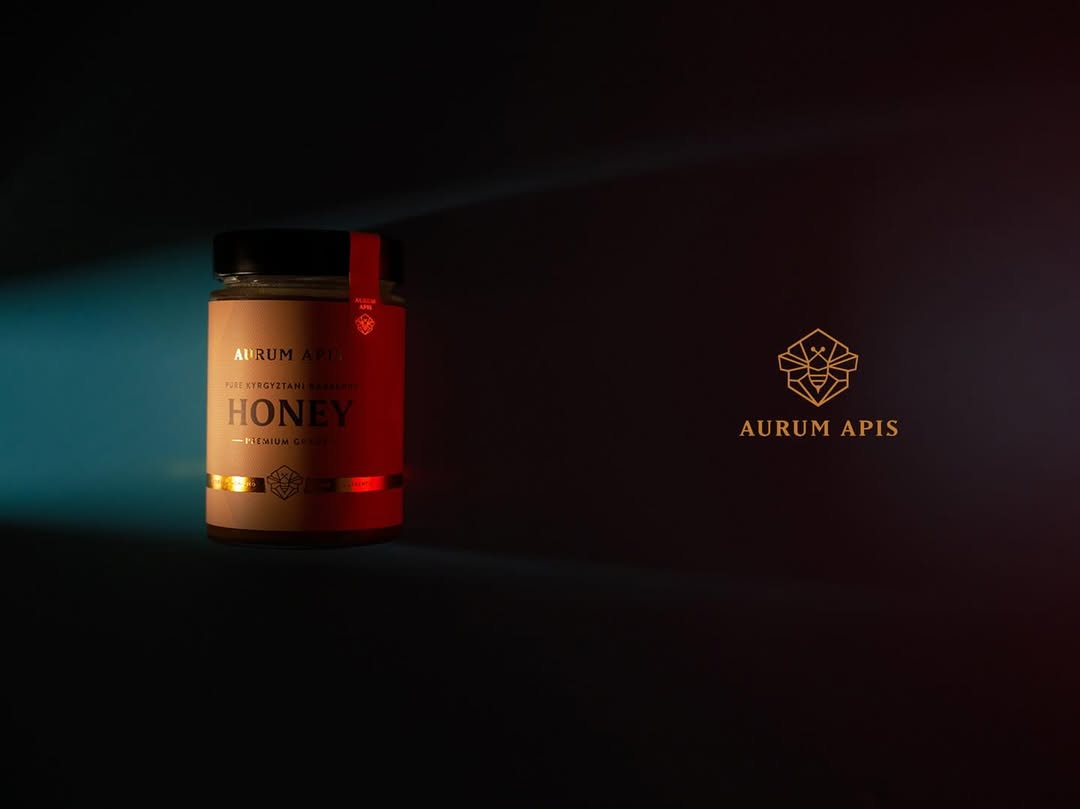
Aurum Apis focuses on premium honey sourced from distinctive regions, including Yemen and Kyrgyzstan. Our collection includes Yemeni Sidr, Yemeni Sumar, Yemeni Wildflower, Kyrgyzstani White Honey and Kyrgyzstani Mountain Honey.
When choosing honey, we believe transparency matters more than exaggerated health claims. Origin, floral source, processing, storage and product information all help consumers understand what they are buying.
For customers in the UAE looking for premium honey for everyday use, gifting or a refined pantry collection, Aurum Apis offers a selection built around rare origins and distinctive flavour profiles.
Explore the Aurum Apis honey collection to compare different origins and choose the variety that best suits your taste and preferences.
Frequently Asked Questions
Which honey is best for immunity?
There is no single honey proven to be the best for immunity. Sidr, mountain and white honeys contain naturally occurring bioactive compounds, but their composition varies by botanical source and geography. Choose honey based on quality, sourcing and intended use rather than an “immune booster” claim.
Which honey is best for the immune system?
If you are looking for a premium honey for everyday use, Sidr and mountain honey are popular choices. Research suggests honey contains antioxidant and antimicrobial compounds, but eating honey should not be considered a medical treatment for infections or immune disorders.
Is Sidr honey good for immunity?
Sidr honey is valued for its botanical origin, distinctive flavour and naturally occurring compounds. Research on honey supports potential antioxidant and antimicrobial activity, but there is not enough clinical evidence to claim that Sidr honey specifically prevents infections or boosts immunity.
Is raw honey better for immunity?
Raw honey may appeal to consumers who prefer minimally processed foods, but raw does not automatically mean that a honey is medically superior. The floral source, quality, authenticity and processing method all influence honey's composition.
Is honey an immune booster?
“Immune booster” is a marketing phrase rather than a precise medical classification. Honey can contain antioxidant and antimicrobial compounds, but it should be viewed as a food rather than a medicine that directly boosts the immune system.
Is honey good for inflammation?
Honey contains compounds associated with antioxidant and anti-inflammatory activity, but evidence differs between varieties and much of the research is not sufficient to establish honey as a treatment for chronic inflammation.
What are the benefits of raw honey?
Raw honey can contain naturally occurring phenolic compounds, flavonoids, enzymes and other bioactive substances. However, the exact composition varies by floral source, geography and processing.
Is organic honey better than raw honey?
Organic and raw describe different things. “Organic” relates to production standards and certification, while “raw” generally refers to processing. A honey can be raw without being certified organic, and organic honey is not necessarily raw.
Can children have honey?
Children under 12 months should not be given honey because of the risk of infant botulism.
Can honey replace medicine for infections?
No. Honey should not be used as a replacement for prescribed medical treatment. While honey has demonstrated antimicrobial properties and may help with some cough symptoms, these effects do not mean that eating honey can treat every infection.