عربة التسوق
0
Yes, white honey can crystallize naturally — and a thick, creamy or pale-white texture does not automatically mean the honey has spoiled.
Honey crystallization is a normal physical process that occurs when glucose separates from the liquid honey and forms small crystals. The speed and texture of crystallization depend mainly on the honey's sugar composition, moisture content, floral source and storage temperature.
Raw white honey may become thicker, creamier or more opaque over time. This is particularly noticeable in varieties that naturally crystallize more readily.
Importantly, crystallization is not a standalone test of honey purity. To evaluate authentic honey, consider its origin, ingredients, processing, sourcing and available quality or laboratory documentation.
In this guide, you'll learn why white honey crystallizes, why raw honey can turn white and thick, whether crystallized honey is safe to eat, how to soften it, and what crystallization tells you about honey quality.
Why Does White Honey Crystallize?
White honey crystallizes when glucose naturally forms crystals inside the honey. Honey contains mainly glucose and fructose, and glucose is less soluble than fructose. When conditions favor crystallization, glucose forms tiny crystals that make honey thicker, cloudy, creamy or even white-looking.
Crystallization is influenced by:
- Glucose-to-fructose balance
- Moisture content
- Floral source
- Storage temperature
- Natural particles that can act as crystal-forming sites
Therefore, white or crystallized honey is not automatically spoiled, and crystallization alone does not prove that honey is pure or raw.

Why Does White Honey Turn Thick and Creamy?
White honey can become thick and creamy because of natural crystallization. Honey is a supersaturated sugar solution containing mainly glucose and fructose. Because glucose is less soluble than fructose, it can gradually form crystals during storage.
As many small crystals develop, they change the way light passes through the honey. This can make the honey appear cloudy, opaque, pale or white.
The final texture is influenced by the honey's botanical source, glucose-to-fructose ratio, moisture content and storage temperature. Honeys with a higher tendency to crystallize can become thick or creamy more quickly than honeys that remain liquid for longer.
Why Does Honey Crystallize?
| Factor | What happens |
|---|---|
| Glucose content | Higher glucose can increase crystallization tendency |
| Fructose-to-glucose ratio | Influences how quickly crystals form |
| Moisture content | Affects sugar solubility and crystallization |
| Floral source | Different nectar sources have different sugar compositions |
| Temperature | Storage temperature affects crystal formation and texture |
| Natural particles | Can provide sites where crystals begin forming |
Is Crystallized White Honey Safe to Eat?
Yes, normal crystallization does not mean honey has spoiled. Crystallization is a natural physical change in honey and does not by itself make the honey unsafe.
Before eating crystallized honey, check that it has been stored properly and has no unusual fermented smell, visible contamination or other signs of spoilage.
Crystallized honey can be eaten directly and often has a thicker, creamy texture that works well on toast, yogurt, fruit and desserts.
Does crystallization prove that honey is pure?
No. Crystallization can occur naturally in both raw and processed honey, depending on composition and storage conditions. It should not be used as a standalone purity test.
For authenticity, consumers should consider the honey's origin, ingredient information, processing method, sourcing transparency and available laboratory or quality documentation.
How to Reverse Honey Crystallization
If you prefer liquid honey, crystallized honey can usually be softened gently with indirect warmth.
- Keep the honey in its closed jar.
- Place the jar in warm water.
- Allow the crystals to soften gradually.
- Stir gently if necessary.
- Avoid excessive or prolonged heating.
- Do not microwave the honey directly.
Gentle warming can return crystallized honey to a more fluid texture, although it may crystallize again later because crystallization is a natural process.
Does White Honey Always Crystallize?
No. White honey does not always crystallize at the same speed or to the same extent.
Crystallization depends on the honey's floral source, glucose and fructose composition, moisture content, storage temperature and other physical factors. Some honey may remain liquid for a long time, while other varieties may become thick and creamy relatively quickly.
Why Is My Honey White and Thick?
If your honey has become white, cloudy and thick, the most common explanation is natural crystallization. Glucose crystals can make honey less transparent and give it a creamy or opaque appearance.
The change is usually a texture and appearance change rather than an indication that the honey has spoiled.
However, white color alone cannot prove that honey is raw, organic or pure. Check the product's origin, ingredients, processing information and quality documentation when evaluating authenticity.
Why Luxury Honey Lovers Appreciate Crystallized Honey
Among gourmet chefs, nutrition-conscious families, and premium food enthusiasts, crystallized honey is often considered more desirable because it demonstrates authenticity.
Its naturally creamy consistency makes it ideal for:
-
Fresh sourdough
-
Greek yogurt
-
Premium cheeses
-
Herbal tea
-
Breakfast bowls
-
Luxury gifting
Rather than hiding crystallization, many artisan honey producers celebrate it as proof that the honey remains close to its natural state.
How White Honey Compares with Other Premium Honeys
Every premium honey offers a unique experience depending on its floral source.
|
Honey Variety |
Texture |
Flavor Profile |
Typical Use |
|
Kyrgyzstani White Honey |
Creamy, naturally crystallized |
Mild, buttery, floral |
Everyday luxury, breakfast, gifting |
|
Yemeni Sidr Honey |
Thick and smooth |
Rich, caramel-like, herbal |
Wellness, premium gifting |
|
Dense and dark |
Bold, complex |
Traditional wellness |
|
|
Barberry Honey |
Medium texture |
Fruity, tangy sweetness |
Gourmet recipes and desserts |
This diversity highlights how floral origin influences not only taste but also texture and natural crystallization.
How Is White Honey Made?
White honey is not necessarily made by adding a whitening ingredient or processing ordinary honey into a white product.
Some honey is naturally very pale because of its floral source, while other honey becomes lighter and more opaque as fine crystals form during natural crystallization.
The exact color and texture depend on the nectar source, sugar composition, moisture content and crystallization behavior.
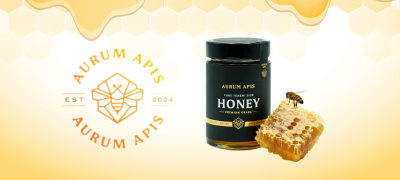
Kyrgyzstani White Honey from Aurum Apis is a premium honey sourced from Kyrgyzstan and valued for its pale appearance, creamy texture and delicate floral character.
Choosing Authentic White Honey in the UAE
With growing demand for premium honey, consumers should look beyond appearance.
Choose honey that offers:
-
Raw and unprocessed production
-
Single-origin sourcing
-
Traditional harvesting methods
-
Lab-tested purity
-
Transparent origin information
-
No added sugar or syrups
When you choose premium Kyrgyzstani White Honey from Aurum Apis, you're selecting honey harvested from pristine mountain landscapes, carefully preserved to maintain its natural enzymes, floral character, and authentic texture.
If you're also exploring distinctive honey varieties, consider premium collections featuring Yemeni Sidr Honey, Yemeni Sumar Honey, and Barberry Honey, each offering its own unique flavor profile and culinary experience.
Final Thoughts
Crystallization is one of nature's quality seals.
Real raw white honey changes over time because it remains exactly as bees intended pure, minimally processed, and rich in naturally occurring nutrients.
Rather than judging honey by its appearance, judge it by its authenticity.
For discerning consumers in the UAE who value purity, craftsmanship, and exceptional taste, naturally crystallized white honey represents the highest standard of premium honey.
Whether you're adding it to your wellness routine, serving it with gourmet foods, or selecting an elegant gift, choosing authentic raw honey reflects a commitment to quality that goes far beyond sweetness.
Looking for Authentic Kyrgyzstani White Honey?
If you prefer a naturally creamy honey with a delicate floral character, explore Aurum Apis Kyrgyzstani White Honey, sourced from Kyrgyzstan and available in 330g, 500g and 1kg sizes.
Frequently Asked Questions
Does white honey crystallize?
Yes. White honey can crystallize naturally when glucose forms crystals. The speed depends on its composition, moisture content, floral source and storage temperature.
Why is my honey white and thick?
Honey can become white and thick when fine glucose crystals form. The crystals scatter light, making the honey appear cloudy, opaque or creamy.
Is crystallized honey spoiled?
No. Natural crystallization is not the same as spoilage. Properly stored crystallized honey is generally still edible.
How do you reverse honey crystallization?
Gently warm the closed jar in warm water until the crystals soften. Avoid excessive heat and direct microwaving.
Does crystallization prove honey is pure?
No. Crystallization is a natural physical process, but it is not a standalone test of honey purity.
Does all white honey crystallize?
No. Different honey varieties crystallize at different rates depending on their composition and storage conditions.