Cart
0
Sidr honey is a premium honey associated with the nectar of the Sidr/jujube tree. Yemeni Sidr honey is particularly sought after for its origin, traditional production, distinctive flavor and premium quality. It isn't automatically healthier than every other honey, but authentic Sidr honey can be an excellent choice for consumers who value botanical origin, taste and minimally processed honey.
Yemeni Sidr honey is particularly sought after because of its origin, traditional beekeeping practices, limited seasonal harvests, and distinctive flavor profile.
In this guide, you'll learn what Sidr honey means, its benefits, taste, how Yemeni Sidr honey differs from regular honey, and how to identify authentic Sidr honey.
What Is Sidr Honey?
Sidr honey is honey produced primarily from the nectar of the Sidr tree, also known as the jujube tree. The botanical name commonly associated with the Sidr tree is Ziziphus spina-christi.
The Sidr tree grows across parts of the Middle East and other arid regions. Yemeni Sidr honey is especially well known because bees forage on Sidr blossoms in Yemen's traditional honey-producing regions.
Sidr honey is often valued for its:
- Rich, distinctive flavor
- Thick texture
- Floral and earthy aroma
- Natural color variations
- Traditional use
- Single-floral or predominantly Sidr botanical origin
What Does Sidr Honey Mean?
Sidr honey means honey associated with the nectar of the Sidr, or jujube, tree. The term “Sidr” refers to the tree from which bees collect nectar, while “Sidr honey” describes honey whose botanical origin is predominantly associated with Sidr blossoms.
Yemeni Sidr honey refers specifically to Sidr honey produced in Yemen.

Is Sidr Honey Good?
Yes, Sidr honey can be an excellent choice if you value distinctive flavor, traditional honey varieties, botanical origin and minimally processed products. However, “better” depends on what you are looking for.
If your priority is:
| What you want | Good choice |
|---|---|
| Rich, distinctive taste | Sidr honey |
| Yemen origin | Yemeni Sidr honey |
| Traditional honey variety | Sidr honey |
| Natural sweetener | Pure honey |
| Lower price | Regular honey |
| Strong botanical identity | Monofloral honey |
The most important factors are authenticity, purity, floral source and processing not simply the word “Sidr” on the label.
What Does Sidr Honey Taste Like?
Sidr honey typically has a rich, deep sweetness with floral, earthy and caramel-like notes. Yemeni Sidr honey can have a particularly bold aroma and lingering finish, although taste varies according to region, harvest and floral composition.
Sidr honey flavor profile:
- Rich sweetness
- Floral aroma
- Earthy notes
- Caramel-like character
- Thick mouthfeel
- Long-lasting finish
Unlike mild commercial honey, premium Sidr honey is often chosen for its distinctive sensory character rather than sweetness alone.
Sidr Honey vs Normal Honey
Sidr honey is not automatically better than every regular honey. Its main advantages are its distinctive botanical origin, flavor, traditional reputation and premium positioning. A high-quality raw honey from another floral source can also be an excellent choice.
| Feature | Sidr Honey | Regular Honey |
|---|---|---|
| Main nectar source | Sidr/jujube tree | May come from one or multiple floral sources |
| Botanical identity | Often predominantly Sidr | Varies |
| Taste | Rich, earthy, floral, caramel-like | Varies from mild to strong |
| Texture | Often thick, but varies | Varies |
| Origin | Produced in different regions | Produced worldwide |
| Yemeni variety | Yemeni Sidr is highly sought after | Not necessarily Yemen |
| Processing | Can be raw or processed | Can be raw, filtered or processed |
| Price | Usually premium | Wide price range |
| Best for | Distinctive flavor and premium honey experience | Everyday sweetening and general us |
Sidr Honey Benefits: What Is It Traditionally Used For?
Sidr honey benefits are mainly associated with its natural composition, flavor, antioxidant compounds, and traditional use. Like other honey, Sidr honey is also a source of naturally occurring sugars and should be consumed in moderation.
1. Natural Source of Energy
Honey contains naturally occurring carbohydrates, including glucose and fructose, which provide a readily available source of energy.
2. Naturally Occurring Antioxidant Compounds
Honey contains naturally occurring phenolic compounds and other antioxidants. The antioxidant profile can vary depending on the floral source, geographical origin and processing.
3. Traditionally Used for Sore Throat
Honey has a long history of traditional use for soothing throat irritation and cough. Sidr honey is often chosen for this purpose because of its thick texture and rich flavor.
4. Distinctive Natural Flavor
One of the biggest reasons people choose Sidr honey is its sensory profile. Yemeni Sidr honey is often described as rich, deep, floral, earthy and caramel-like.
5. Premium Alternative to Refined Sugar
Sidr honey can be used as a natural sweetener in drinks, breakfast foods and recipes. However, it remains a source of sugar and should not be treated as a calorie-free food.
Does Sidr Honey Crystallize?
Yes. Pure Sidr honey can crystallize naturally over time. Crystallization is a normal physical process in honey and does not by itself prove that honey is either authentic or fake. The speed and texture of crystallization depend on the honey's composition, floral source and storage conditions.
Why Sidr Honey Is Expensive
Several compounding factors drive the price:
-
Rarity of the Sidr tree: Wild Sidr trees in pristine, unfarmed environments are not unlimited. The best-quality nectar comes from trees untouched by pesticides.
-
Extremely short harvest window: Sidr trees bloom for just a few weeks each year. Miss the window, and you wait another year.
-
Low yield: Bees foraging from a single tree species in remote regions produce far less honey than conventionally managed commercial hives.
-
Minimal processing: Raw, unfiltered production is more labor-intensive and less scalable than industrial processing.
-
Geographic risk: Yemen's political instability has impacted honey production and supply chains, further limiting availability of authentic Yemeni Sidr honey.
What Is Yemeni Honey?
Yemeni honey refers to honey produced in Yemen from different floral sources. Yemeni honey is not one single type; it can include Sidr, Sumar/Samar and other varieties depending on the nectar source and region.
Yemeni Sidr honey is one specific type of Yemeni honey associated with the Sidr tree.
Sidr Honey Yemen: Where Does Yemeni Sidr Honey Come From?
Sidr honey from Yemen is produced in regions where Sidr trees provide an important nectar source for bees. Yemen's traditional honey-producing areas have helped establish the country's reputation for premium Sidr honey.
When buying Sidr honey from Yemen, don't rely on the word “Yemen” alone. Look for:
- Clear country of origin
- Harvest information where available
- Transparent sourcing
- Batch or quality documentation
- Reputable seller
- Appropriate packaging and storage information
Origin is important, but authenticity and quality verification matter just as much.
What Makes Yemeni Sidr Honey Special?
Yemeni Sidr honey is one of the most sought-after varieties of premium honey from Yemen. It is associated with the nectar of the Sidr tree and traditional beekeeping regions of Yemen, particularly areas known for Sidr production.
Its appeal comes from a combination of:
- Yemeni origin
- Sidr botanical source
- Traditional beekeeping
- Seasonal availability
- Distinctive flavor
- Premium positioning
- Traceability and authenticity
The UAE market already has strong consumer demand for Yemeni honey, including Yemeni Sidr varieties. Current UAE retail listings show Yemeni Sidr honey positioned significantly above many everyday honey products, reflecting its premium market positioning.
Best Ways to Use Sidr Honey Daily
You've invested in quality honey, now use it right. Here's how to incorporate Sidr honey into your daily routine for maximum benefit.
Morning Wellness Routine
Start your day with one teaspoon of Sidr honey on an empty stomach. This allows the enzymes and bioactive compounds to be absorbed directly without competing with other foods. Many people report improved energy levels, better digestion, and a stronger immune response when they make this a consistent daily habit.
Sidr Honey With Warm Water
Mix one teaspoon into a glass of warm (not boiling) water. This is a classic traditional remedy for digestive support, sore throat relief, and gentle morning detox. Keep the water temperature below 40°C to preserve the honey's active enzymes.
Honey for Tea and Herbal Drinks
Add Sidr, honey to herbal teas, chamomile, ginger, or green tea pair particularly well. Wait until the tea has cooled slightly before stirring in the honey. Pouring honey into boiling liquid destroys its beneficial properties.
Fitness and Energy Uses
Take a teaspoon 20–30 minutes before exercise for a natural, sustained energy boost. After a workout, honey in warm water with a pinch of sea salt helps replenish glycogen and electrolytes without artificial additives.
How to Identify Authentic Yemeni Sidr Honey
There is no single home test that can reliably prove whether Sidr honey is authentic. Texture, color, taste and crystallization can provide clues, but laboratory analysis and transparent sourcing are much more reliable.
When buying Yemeni Sidr honey, look for:
1. Clear Origin
The seller should clearly state where the honey comes from.
2. Transparent Sourcing
Look for information about the producer, beekeeper or sourcing region when available.
3. Quality Testing
Laboratory reports can provide stronger evidence of honey quality and composition than home “water tests” or flame tests.
4. Natural Variation
Pure honey can vary in color, aroma, texture and crystallization between harvests.
5. Reputable Supplier
Choose a seller with transparent product information, clear contact details and a consistent reputation.
Where to Buy Yemeni Sidr Honey in the UAE
If you are looking for Yemeni Sidr honey in the UAE, choose a supplier that clearly explains the honey's origin, sourcing and quality standards. Premium honey buyers should also compare the product's botanical source, processing method, packaging and available quality information not price alone.
Looking for Premium Yemeni Sidr Honey?
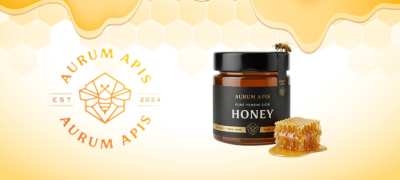
Discover Aurum Apis Yemeni Sidr Honey, selected for customers looking for a premium Yemeni honey experience with transparent product information and carefully sourced honey.
[Shop Pure Honey →]
Frequently Asked Questions About Sidr Honey
What is Sidr honey?
Sidr honey is honey produced primarily from the nectar of the Sidr, or jujube, tree.
What does Sidr honey mean?
Sidr honey means honey associated with the nectar of Sidr tree blossoms. Yemeni Sidr honey specifically refers to Sidr honey produced in Yemen.
Is Sidr honey good?
Sidr honey can be an excellent premium honey choice because of its distinctive botanical origin, rich flavor and traditional reputation. Quality depends on authenticity, purity and processing.
What are the benefits of Sidr honey?
Sidr honey contains naturally occurring sugars and various naturally occurring compounds, including phenolic compounds. Honey is also traditionally used to soothe the throat. Its composition varies by floral source and processing.
How can I tell if Sidr honey is authentic?
Look for transparent origin and sourcing information, reputable suppliers and quality testing where available. Home tests such as water or flame tests cannot reliably prove authenticity.