عربة التسوق
0
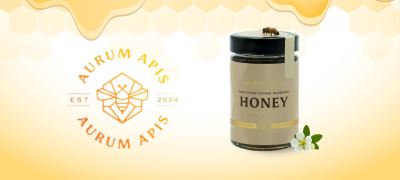
If you ask a casual honey consumer to name a premium variety, they will likely mention Manuka or Sidr. But if you speak to true premium honey collectors, their eyes light up at something far rarer: monofloral barberry honey.
This golden-amber, deeply complex elixir is considered a crown jewel in the honey world. Derived from the delicate yellow blossoms of the Berberis plant, true monofloral barberry honey is notoriously difficult to harvest, exceptionally rich in active biomolecules, and prized for its distinctively sweet yet tart flavor profile.
At Aurum Apis, we source and curate the world's finest, unheated, and unfiltered bee products. Let’s dive deep into the fascinating world of the Berberis plant to uncover exactly why elite honey enthusiasts actively hunt for this rare variety.

What is Monofloral Barberry Honey?
Monofloral honey means the bees gathered nectar predominantly from a single plant species. In this case, honeybees pollinate the wild shrubs of the Berberis genus (commonly known as the barberry plant).
While barberry grows in various temperate zones globally, it is incredibly rare to find it managed in a way that yields a pure, monofloral harvest. True, high-purity barberry honey features:
-
Aesthetic: A rich, warm amber-golden hue (not basic pale yellow).
-
Aroma: A delicate, floral bouquet with a whisper of earthy warmth.
-
Taste Profile: A sophisticated balance of natural sweetness balanced by a bright, pleasant tang, mirroring the tartness of the physical barberry fruit.
The Scarcity Factor: Why Collectors Hunt For It
True raw honey collectors value rarity, and barberry honey is the definition of scarce.
1. A Blink-and-You-Miss-It Blooming Window
The Berberis plant produces its nutrient-dense nectar during a remarkably short window between May and June. Beekeepers must time the placement of their hives perfectly. If the weather turns unseasonably cold or rainy during these brief weeks, the entire year's yield can vanish.
2. Remarkably Low Yields
Unlike vast agricultural crops, the barberry plant yields a surprisingly low amount of honey per acre frequently averaging just 30 to 35 pounds. When you contrast this with high-yield floral sources, it becomes clear why commercial supermarkets don't carry authentic barberry honey. It requires small-batch, artisanal beekeeping practices to capture.
3. Untamed Geographical Origins
While small pockets exist in parts of Europe and Oceania, the absolute pinnacle of this variety is found in wild, high-altitude regions like the pristine mountains of Central Asia. Our signature Kyrgyzstani Barberry Honey at Aurum Apis is harvested from bees foraging in untouched alpine valleys, far away from industrial pollution and pesticides.
How Pure Barberry Honey is Made (The Honeybee Alchemy)
The journey from a Berberis blossom to a luxury jar is a masterclass in natural engineering. The process unfolds in precise, delicate stages:
1.Nectar Ingestion and Enzyme Infusion:Field Stage.
The honeybee drinks the nectar from the barberry flower. Inside the bee's honey stomach, the nectar mixes with a crucial enzyme called invertase (often called the 'bee enzyme'). This natural catalyst breaks complex sucrose sugars down into simple fructose and glucose.
2.Trophallaxis (Hive Transfer):Processing Stage.
Back at the hive, field bees pass the altered nectar to processor bees via mouth-to-mouth regurgitation. This repetitive sharing continues to inject fresh enzymes into the liquid while naturally reducing its raw moisture content.
3.Evaporation via Wing Fanning:Dehydration Stage.
The bees store the raw liquid into open wax cells. Because the water content is still too high (which would cause fermentation), lines of honeybees assemble to vigorously fan their wings over the cells, creating a steady airflow that evaporates excess water.
4.Wax Capping:Maturation Stage.
Once moisture levels naturally drop safely below 20%, the honey is thick, stable, and perfectly mature. The bees seal the cell with a protective wax cap, locking in the living enzymes and distinct antioxidants.
Proven Health Benefits: Why It’s Considered a Superfood
While casual consumers enjoy honey purely as a sweetener, premium collectors treat raw, unpasteurized honey as an active dietary supplement. True barberry honey offers remarkable wellness properties:
-
Rich in Bioactive Antioxidants: High-quality raw honey contains a dense profile of phenolic compounds, organic acids, and flavonoids. These neutralize free radicals and lower oxidative stress within the body.
-
Natural Antimicrobial Action: Thanks to its low moisture level and the natural presence of glucose oxidase (an enzyme that generates tiny, therapeutic amounts of hydrogen peroxide when applied to moisture), it acts as an excellent topical antiseptic for minor wounds and burns.
-
Soothing Respiratory Support: Endorsed by the World Health Organization (WHO) as a natural cough remedy, raw honey excels at coating the throat, calming tissue inflammation, and easing cold symptoms.
-
Gastrointestinal and Metabolic Alignment: Clinical studies hosted by the National Center for Biotechnology Information (NCBI) show that raw honey helps decrease the severity and duration of diarrhea. Furthermore, replacing processed table sugar with raw honey helps lower harmful triglycerides, supporting metabolic health.
The Raw Golden Rule: Every single one of these nutritional benefits is entirely dependent on the honey being raw, unheated, and unfiltered. Commercial pasteurization uses high heat that permanently destroys the delicate enzymes, fragile antioxidants, and nutritional properties.
How It Compares to Other Luxury Varieties
If you appreciate the nuance of luxury honey, understanding how barberry fits alongside other world-class varieties is key to curating your collection.
|
Honey Variety |
Flavor Profile |
Main Benefit |
Rarity Level |
|
Rich, medicinal, heavily sweet |
Powerful immunity, deep cellular healing |
Extremely High |
|
|
Robust, smoky, caramel undertones |
Exceptional liver support, gut health |
High |
|
|
Barberry Honey |
Balanced sweetness, bright fruity tang |
High mineral content, cellular protection |
Extremely Scarce |
At Aurum Apis, we curate a comprehensive vault of these global treasures. Whether you seek the legendary potency of our Yemeni Sidr Honey, the dark caramel richness of Sumar, or the bright, mineral-dense elegance of wild Barberry, our mission is to deliver unadulterated luxury straight from the hive to your table.
Frequently Asked Questions
1: Is authentic barberry honey expensive?
Yes, true monofloral barberry honey is a premium luxury item. While mass-produced commercial blends or heavily diluted grocery store honeys sell for cheap, authentic, small-batch raw barberry honey requires remote high-altitude harvesting and intensive testing to ensure its monofloral purity.
2: Why do some people claim honey isn’t vegan?
The Vegan Society takes the stance that honey isn't vegan because conventional, commercial mass-scale beekeeping practices sometimes involve clipping the queen bee’s wings to keep the colony from swarming, replacing their honey with nutritionally void sugar water, or culling hives. However, artisanal, ethical apiaries focus on sustainable bee stewardship, ensuring the health of the hive always takes absolute priority over harvest yields.
3: Who should avoid eating barberry honey?
You should never feed any type of honey including barberry honey to infants under one year old due to the risk of infant botulism, as their digestive systems are not mature enough to handle natural soil spores. Pregnant or nursing women should always consult their healthcare provider before using raw honey for therapeutic purposes.
4: Can you eat too much barberry honey?
Yes. Because raw honey is a highly concentrated source of natural fructose and glucose, overindulging can spike blood sugar levels and lead to unwanted weight gain. Consuming too much in one sitting may also cause mild gastrointestinal discomfort, such as bloating or cramps. A teaspoon or two a day is the perfect sweet spot to enjoy its full nutritional profile.