Cart
0
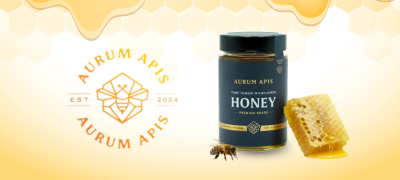
Wildflower honey is a type of polyfloral honey made when bees collect nectar from multiple flowering plants. Because its floral sources vary by season and region, its color, flavor, aroma and natural plant compounds can vary from one harvest to another.
What are the benefits of wildflower honey?
Wildflower honey provides natural carbohydrates and contains varying amounts of antioxidants and other plant compounds. Research on honey suggests potential benefits including antioxidant activity and soothing relief for acute coughs. However, honey is still a source of sugar, and many popular claims about allergies, weight loss and disease prevention are not well established.
For most healthy adults, pure wildflower honey can be enjoyed in moderation as a natural sweetener and food ingredient.
In this guide, we explain the most useful wildflower honey benefits, how raw and processed honey differ, how to use wildflower honey, and what to know before buying it.

What Makes Aurum Apis Wildflower Honey Different?
For shoppers in the UAE, the source and handling of honey matter just as much as the word “raw” on the label.
Aurum Apis offers premium honey varieties sourced from distinctive regions, including Yemeni Wildflower Honey. Unlike monofloral honey, wildflower honey comes from multiple flowering plants, so its flavor, aroma, color and texture can naturally vary between harvests.
When choosing wildflower honey, look for:
-
Clearly stated country or region of origin
-
A transparent product description
-
No unnecessary added ingredients
-
Appropriate storage instructions
-
Information about whether the honey is raw, filtered or heated
-
A seller that clearly identifies the product and its source
For customers looking for premium Yemeni honey in the UAE, explore the [Yemeni Wildflower Honey collection from Aurum Apis].
What Exactly is Wildflower Honey?
Unlike highly commercialized, clear syrups, authentic wildflower honey is a reflection of a specific time and geographic landscape. Because the bees harvest nectar from a changing tapestry of wild blossoms, its physical profile naturally shifts:
-
Color spectrum: Ranges from a delicate amber to a rich, dark molasses hue.
-
Flavor profile: A robust, multi-layered sweetness with lingering floral or herbal undertones.
-
Crystallization is a natural process that can occur in genuine honey. The speed and texture of crystallization vary depending on floral source, glucose content, temperature and storage conditions. Crystallization by itself is not a definitive laboratory test of purity..
If you are looking to experience the apex of pure, regional nectar, explore our exclusive Premium Organic Honey Store in Abu Dhabi, featuring rare, unadulterated varieties.
8 Evidence-Based Wildflower Honey Benefits
1. Provides Antioxidant Compounds
Wildflower honey contains naturally occurring plant compounds, including phenolic compounds and flavonoids. The exact antioxidant profile varies according to the flowers, season and geographic region where the honey was produced.
These compounds contribute to honey's antioxidant activity, although honey should not be considered a treatment for oxidative-stress-related diseases.
2. May Help Soothe an Acute Cough
One of the better-studied uses of honey is short-term relief of acute cough, particularly in children older than 12 months.
Systematic reviews have found that honey may reduce cough frequency and improve sleep compared with no treatment or placebo, although the quality of evidence varies between studies.
Honey should be used as a soothing food rather than as a replacement for medical treatment.
3. Has Natural Antimicrobial Properties
Honey has natural antimicrobial activity associated with several factors, including its high sugar concentration, acidity and the production of hydrogen peroxide by the enzyme glucose oxidase.
However, the antimicrobial properties of honey vary by type and processing method. Food-grade wildflower honey should not be assumed to be equivalent to medical-grade honey used in clinical wound care.
4. Provides a Natural Source of Energy
Honey contains naturally occurring carbohydrates, mainly glucose and fructose. This makes it a convenient source of energy before or during everyday activities.
For active people, a small amount of honey can be added to yogurt, oats, smoothies or drinks. It is still a concentrated source of sugar, so portion size matters.
5. Can Be Used Instead of Refined Sugar
One practical benefit of wildflower honey is its flavor. Its floral character can add sweetness to tea, yogurt, oatmeal, toast and desserts while allowing you to use less refined sugar in some recipes.
However, replacing sugar with honey does not make a food calorie-free or suitable for unlimited consumption. Honey should still be consumed in moderation.
6. Contains Naturally Occurring Plant Compounds
Because wildflower honey comes from multiple floral sources, its composition can vary considerably.
Depending on the botanical and geographic origin, honey may contain:
-
Phenolic compounds
-
Flavonoids
-
Organic acids
-
Amino acids
-
Enzymes
-
Small amounts of minerals and other naturally occurring compounds
This variation is one reason why the nutritional and sensory characteristics of wildflower honey differ from one harvest to another.
7. May Support Skin Moisture When Used Topically
Honey has humectant properties, meaning it can attract and retain moisture. This is why honey is used as an ingredient in some skincare products.
However, food-grade honey should not be treated as a medical acne or wound treatment. People with sensitive skin or allergies to bee products should patch-test topical products first and stop use if irritation occurs.
8. Offers a Distinct Floral Taste and Culinary Versatility
Wildflower honey is useful beyond traditional wellness routines. Its flavor can range from light and floral to deeper and more herbal depending on the flowers visited by bees.
Try it with:
-
Greek yogurt
-
Oatmeal
-
Herbal tea
-
Toast
-
Cheese boards
-
Salad dressings
-
Smoothies
-
Homemade desserts
The biggest practical advantage of wildflower honey is its combination of natural sweetness and complex floral flavor.
How Wildflower Honey Compares to Mono-Floral Varieties
Understanding the difference between polyfloral (wildflower) and mono-floral (single source) honeys is essential for choosing the right product for your health goals.
|
Honey Type |
Floral Source |
Primary Visual Character |
Best For |
|
Wildflower Honey |
Diverse wild blossoms |
Shifts from light amber to deep brown |
All-around antioxidant density & allergy defense |
|
Yemeni Sidr Honey |
Sidr (Lote) tree blossoms |
Dark, thick, does not easily crystallize |
Exceptional antibacterial potency & medicinal recovery |
|
Sumar Honey |
Acacia/Sumar tree |
Distinctly dark with a rich, smoky flavor |
Respiratory support & chronic digestive issues |
For those seeking targeted therapeutic properties that go beyond everyday wildflower honey, our curated collection of elite monoflorals including the world-renowned Yemeni Sidr Honey and deeply therapeutic Sumar Honey provides maximum bioactivity.
Frequently Asked Questions (FAQs)
1. Is wildflower honey healthier than regular sugar?
Wildflower honey and table sugar are both sources of sugar, so honey should still be consumed in moderation. Honey does offer naturally occurring plant compounds and antioxidants that refined table sugar generally lacks.
The practical advantage of honey is that it can provide sweetness and additional naturally occurring compounds, but it should not be considered a health food that can be consumed without limits.
2. Why does my raw wildflower honey turn solid or crystallize?
Crystallization is completely normal and is a definitive sign of raw, unpasteurized honey. It occurs when glucose spontaneously separates from water and forms crystals. If you prefer a liquid texture, simply place your jar in a warm water bath (below 40°C) to gently liquefy it without destroying its delicate enzymes.
3. Can wildflower honey help with seasonal allergies?
There is not enough reliable evidence to recommend wildflower honey as a treatment for seasonal allergies. Although honey may contain small amounts of pollen, eating honey should not be considered equivalent to medical allergy immunotherapy.
4. What is the difference between raw wildflower honey and commercial honey?
Commercial honeys are often highly pasteurized (heated to extreme temperatures) and ultra-filtered. This process kills beneficial enzymes, neutralizes antioxidants, and removes all pollen grains to extend shelf life. Raw wildflower honey is kept entirely unheated and unfiltered, preserving its natural medicinal value.
5. Is wildflower honey safe for everyone?
Wildflower honey is safe for adults and children over the age of one. It should never be given to infants under 12 months old due to the risk of infant botulism, as their developing digestive systems cannot process naturally occurring spores.
6. What are the benefits of wildflower honey?
Wildflower honey is a polyfloral honey that contains natural sugars and varying amounts of antioxidants and plant compounds. Research on honey suggests potential antioxidant activity and short-term cough relief, while other popular claims such as allergy treatment and disease prevention are not sufficiently established. Honey is best consumed in moderation as part of a balanced diet.
Experience True Purity
If you are ready to upgrade your health routine with authentic, luxury polyfloral and monofloral nectars, explore our full range at Aurum Apis UAE. We source only the finest, unadulterated honeys directly from pristine environments to guarantee the highest enzyme retention and therapeutic value.