Cart
0
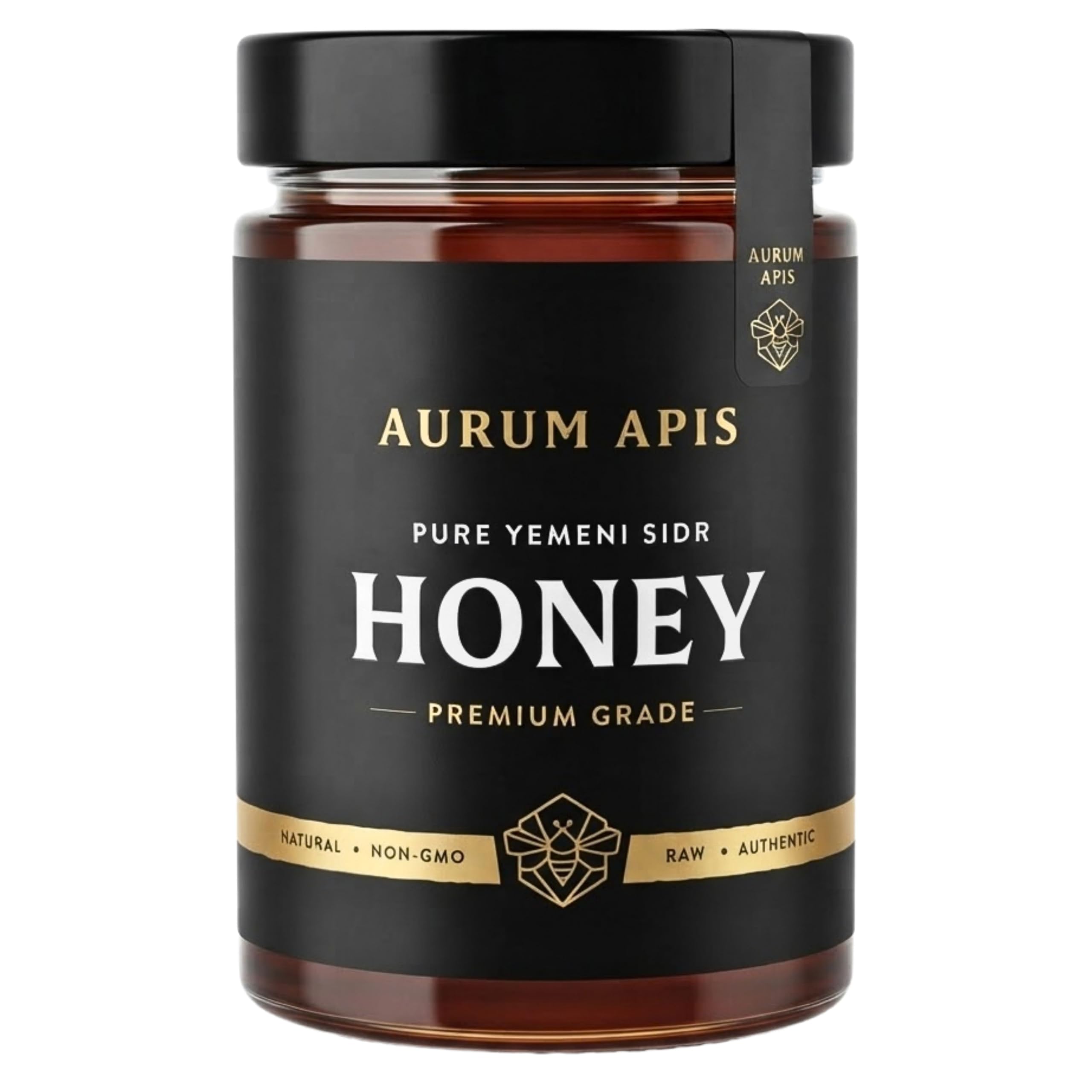
Yemeni Sidr honey is one of the most sought-after honeys in the world, and one of the most copied. Because the harvest is small and demand keeps growing, a lot of the "Sidr" sold online and in markets is blended with cheaper honey or syrup. This guide explains what real Sidr is, why the popular home tests don't work, and what actually tells you that a jar is genuine.
What Real Yemeni Sidr Honey Is
Sidr honey comes from the blossom of the Sidr tree (Ziziphus spina-christi), known in Arabic as السدر. The tree grows wild in the dry valleys of southern Yemen, especially Hadramout and Shabwa, where beekeepers move their hives to follow the bloom.
The Sidr tree flowers for only a short window each year, mainly in late autumn and early winter. One season's harvest has to cover a whole year of demand. That scarcity is the reason genuine Sidr costs far more than everyday honey, and the reason fakes are so tempting to sell.
Why Home Tests Can't Prove Honey Is Real
You have probably seen the popular tricks: drop honey in water and see if it sinks, try to light a matchstick dipped in honey, or put a drop on your thumb. These tests only catch crude fakes, such as honey watered down or mixed with thin syrup.
Modern adulteration is more sophisticated. Syrups made from rice, wheat or beet can be processed to look, pour and behave just like honey. They pass the water test, the flame test and the thumb test. A thick, slow-pouring honey is not proof of anything on its own.
The same goes for crystallisation. Real honey often crystallises over time, but some genuine honeys stay liquid for a long time. Crystallising, or not crystallising, doesn't settle the question.
What Actually Proves Sidr Honey Is Genuine
- A laboratory test report. This is the only real proof. Good labs check sugar profile, moisture, HMF (a marker of heating or age), and signs of added sugar. Advanced methods such as NMR testing can detect syrups that older tests miss. Pollen analysis can confirm the honey really came mainly from Sidr blossom.
- A named origin. Genuine sellers can tell you the region the honey comes from and the season it was harvested. "Arabian honey" or "Sidr-type honey" with no origin is a warning sign.
- A realistic price. Real Yemeni Sidr is expensive because the harvest is small. If a large jar costs the same as supermarket honey, it is almost certainly blended or fake.
- A brand that stands behind it. Look for a registered company, clear labelling, and a seller willing to answer questions about testing.
What Real Sidr Tastes Like
Genuine Yemeni Sidr is thick and rich, with a deep amber colour. The taste is warm and complex, often described as buttery or caramel-like, with a gentle lingering finish rather than a flat, sugary sweetness. Taste alone can't prove authenticity, but a honey that tastes simply of sugar should make you suspicious.
Our Approach at Aurum Apis
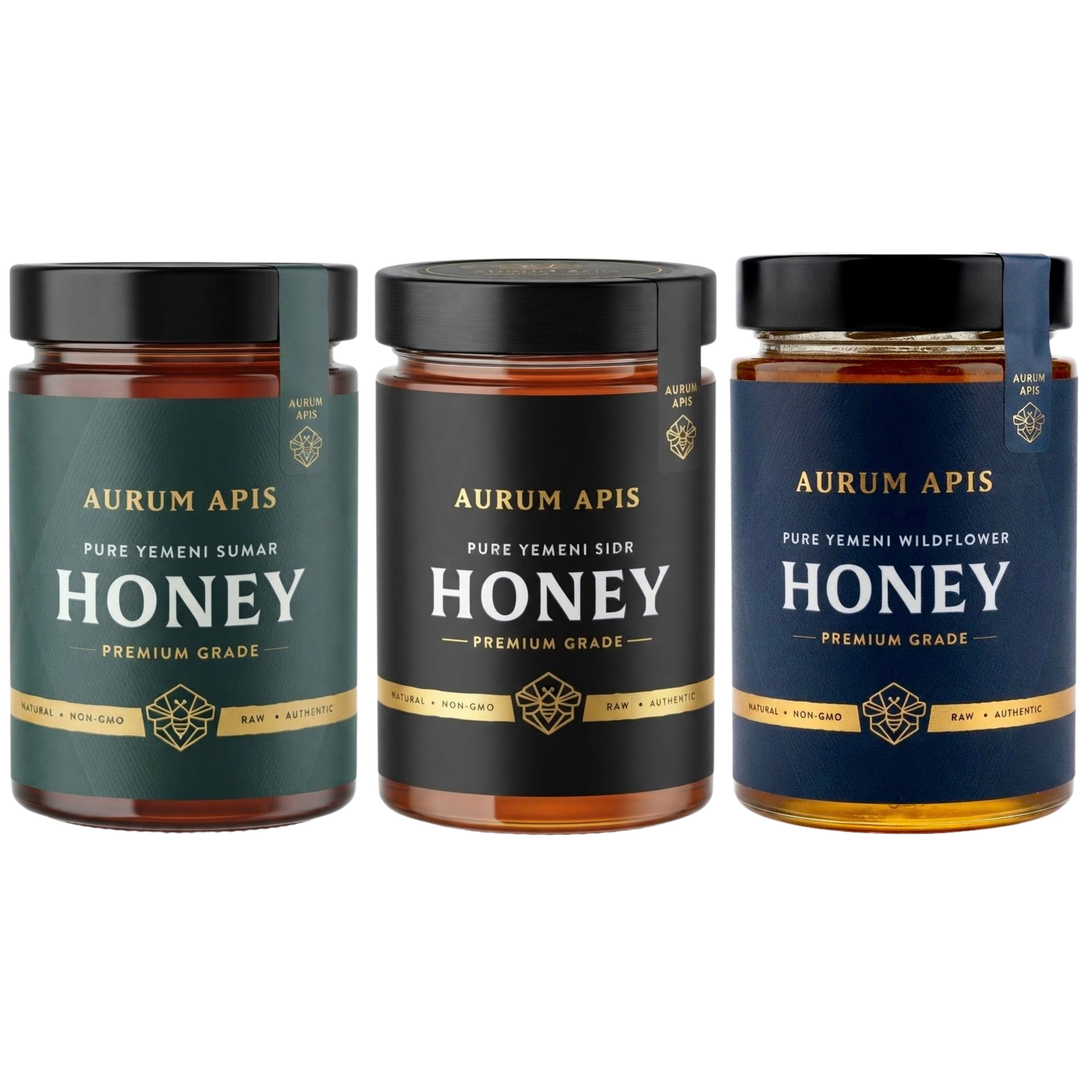
Every Aurum Apis honey is lab-tested before it reaches you. Our Yemeni Sidr Honey is sourced from Yemen and packed in our Premium Grade range, available in 330g, 500g and 1kg jars and a 5kg bucket. If you would like to taste it alongside our other Yemeni honeys, the Yemeni Honey Gift Box includes Sidr, Sumar and Wildflower.
Have a question about where our honey comes from or how it is tested? Contact us and we will be happy to explain.
Frequently Asked Questions
Does real Sidr honey crystallise?
It can, slowly, depending on temperature and the batch. Crystallisation is natural and doesn't mean the honey has gone bad.
Is the water test reliable?
No. It only catches honey diluted with water or thin syrup. Modern syrups pass it easily.
Why is Yemeni Sidr so expensive?
The Sidr tree blooms for only a short season each year, it grows wild in remote valleys, and harvests are small compared with global demand.
Sources: Apimondia – Yemeni Sidr honey profile; The Conversation via Phys.org – why official tests missed fake honey